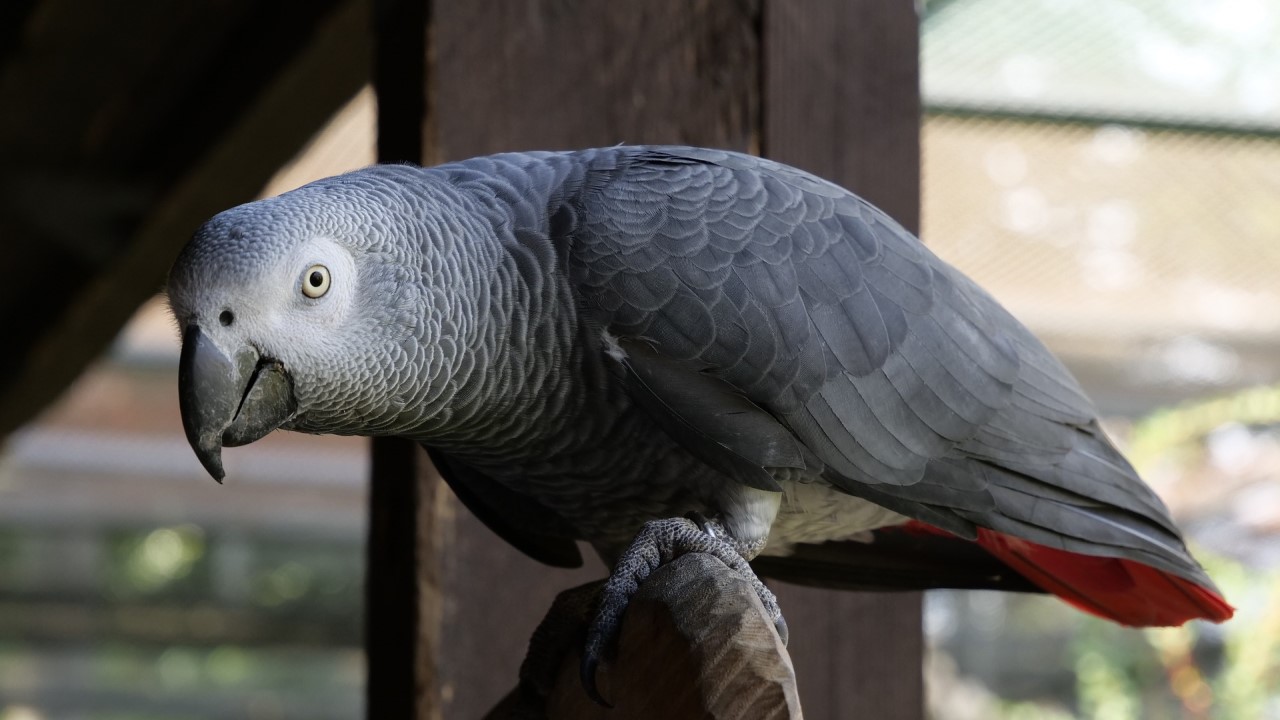
African Grey parrots are among the most intelligent and sought-after companion birds in the world. With their remarkable ability to mimic speech, solve problems, and form deep emotional bonds, it’s no wonder they captivate so many bird enthusiasts. However, owning an African Grey parrot in the United States involves not only proper care and attention but also understanding important legal and ethical responsibilities.
Legal Considerations
1. CITES and International Trade Regulations
African Grey parrots (Psittacus erithacus) are listed under Appendix I of CITES (Convention on International Trade in Endangered Species). This classification means that international trade of wild-caught African Greys is highly restricted to prevent endangerment. Most African Greys available in the U.S. are captive-bred and come with proper documentation to comply with these international regulations.
Important Note: Always ensure your parrot comes from a reputable breeder who provides CITES and other legal certificates. Owning wild-caught parrots without documentation is illegal and subject to severe penalties.
2. Federal and State Laws
While federal laws regulate the trade of African Grey parrots, individual U.S. states may also have additional rules regarding ownership, importation, and breeding. Some states or municipalities require permits, especially for exotic or endangered species.
Action Steps for Owners:
-
Check state and local regulations before purchasing a parrot.
-
Keep all documentation, including breeder certifications and vaccination records.
-
Ensure compliance to avoid fines or legal complications.
3. Transportation and Importation Regulations
When transporting African Grey parrots across state lines or importing from abroad, certain protocols must be followed:
-
Use approved carriers and crates to ensure the parrot’s safety and comfort.
-
Provide health certificates issued by a licensed avian veterinarian.
-
Follow USDA and airline regulations for live bird transport.
Failure to comply can lead to confiscation of the parrot, fines, or other legal consequences.
Ethical Considerations
1. Choosing Captive-Bred Over Wild-Caught Parrots
Ethically, it’s essential to choose captive-bred African Greys. Wild-caught birds face traumatic capture, long-term stress, and significant population decline in their native habitats. By selecting responsibly bred birds, you support conservation and reduce the risk of illegal wildlife trade.
2. Providing a Stimulating and Humane Environment
African Grey parrots are highly intelligent and social. Ethical ownership goes beyond legality—it involves providing:
-
Adequate cage space and environmental enrichment.
-
Social interaction and mental stimulation daily.
-
Proper nutrition and veterinary care.
Neglecting these needs, even unintentionally, can lead to behavioral and health problems, making it an ethical responsibility to ensure quality care.
3. Commitment to Lifelong Care
African Grey parrots can live 50–60 years or more. Ethical ownership means committing to their lifelong well-being. Consider your long-term ability to provide care, including diet, social interaction, veterinary attention, and safe housing.
4. Responsible Breeding and Rehoming
If you own multiple parrots, ethical considerations extend to breeding practices. Avoid overbreeding, provide proper care for all birds, and ensure that offspring are placed responsibly in loving homes.
Practical Tips for Responsible Ownership
-
Work With Reputable Breeders: Only adopt African Greys from breeders who follow legal and ethical standards. Flori Birds, for example, specializes in hand-raised, captive-bred African Greys with full documentation.
-
Maintain Records: Keep all certificates, veterinary records, and adoption documents safe for legal verification.
-
Educate Yourself: Stay informed about federal, state, and local regulations to ensure ongoing compliance.
-
Advocate for Conservation: Support initiatives that protect wild African Grey populations and promote responsible breeding.
Consequences of Neglecting Legal and Ethical Duties
Failing to comply with legal requirements or ethical standards can lead to:
-
Confiscation of the bird
-
Heavy fines or legal prosecution
-
Behavioral and health problems due to improper care
-
Negative impact on wild populations if wild-caught birds are purchased
African Grey parrots are highly intelligent and sensitive, and ownership carries a significant moral responsibility.
Owning an African Grey parrot in the United States is both a privilege and a responsibility. Legal compliance ensures that your parrot is sourced ethically and that you are protected under U.S. laws. Ethical care guarantees that your bird leads a healthy, happy life in a stimulating, loving environment.
By choosing captive-bred birds, adhering to federal and state regulations, and committing to lifelong care, you become part of a movement that values conservation, responsible pet ownership, and the well-being of one of the world’s most intelligent bird species.
For guidance on ethical adoption, legal documentation, boarding, grooming, veterinary care, or home delivery of African Grey parrots, visit Flori Birds or contact us via info@floribird.store | WhatsApp: +1 872-384-9330.